Facebook Help Fund the Kickstarter!


Click the headers above to expand/collapse information.

Tuesday, February 19th, 2013 @ 12:30 PM

Live Through This is officially LIVE on Kickstarter!

We successfully raised $2k in the first hour! I’m overwhelmed, excited, and nervous. It’s a solid start, but there’s much more work to do.

Please take a look at the video, click and share this link (http://livethroughthis.org/ks). Anything you can do to help is incredibly appreciated–even if all you’ve got is a dollar!

Thank you so much for your support, and stay tuned for updates!

PS: HUGE thanks for Kiera & Josh at Jakfoto Films for the beautiful video; Froilan Tam for his amazing animation work; Charlotte Martin for allowing me to use one of my favorite songs in the video; Aleksandar Cosic for his images; and everyone else who has helped in the project so far.

Monday, February 18th, 2013 @ 2:38 PM

BIG NEWS: The Kickstarter campaign launches tomorrow morning at 11 AM EST. I’m so excited to share it with you guys! Last night, I posted a Pinterest exclusive preview of the LTT video made by Jakfoto Films. Take a look (and re-pin, if you’re into that sort of thing)!

In the meantime, I’ve got another portrait to share with you…

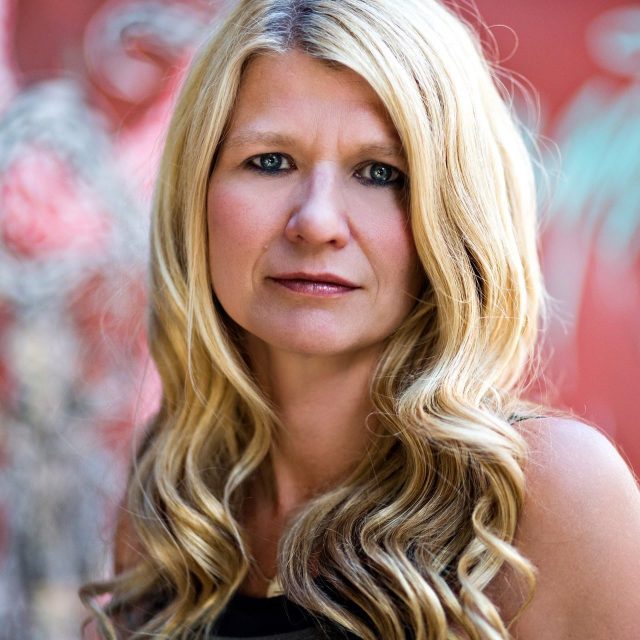
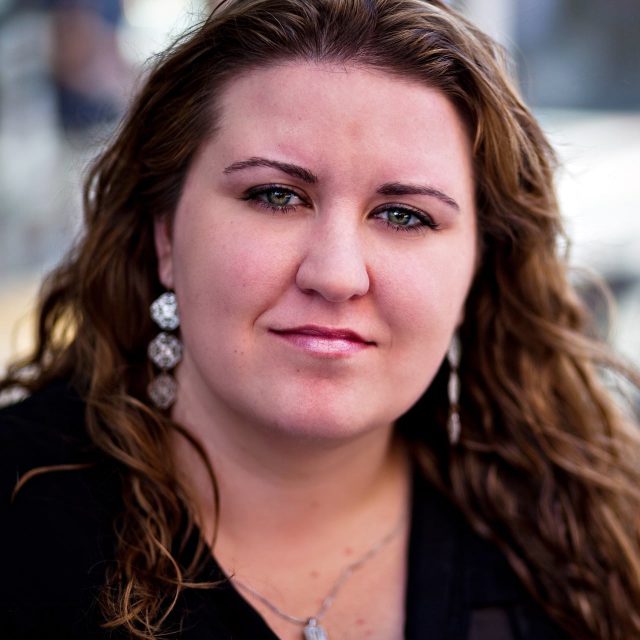
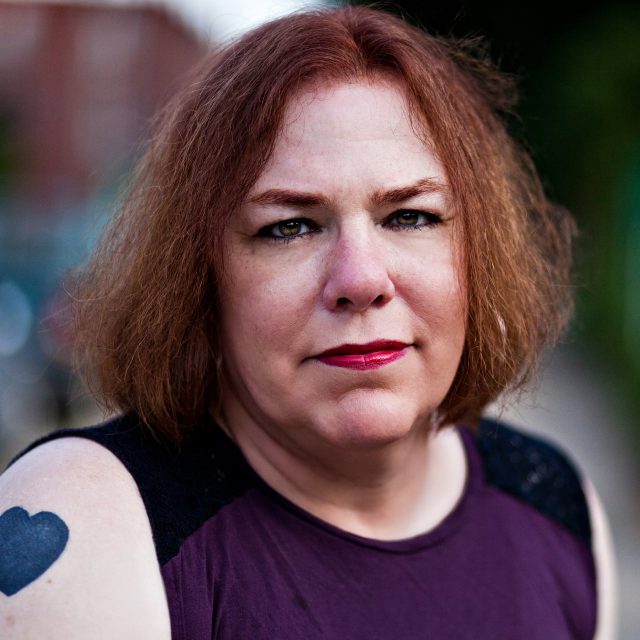
Caitlin Coleman’s suicide attempt and subsequent coma resulted in  nodes on her vocal chords and nerve damage to her arm–a hard way to go for a vocalist/pianist. Below, we discuss the way we use language in the context of suicide:

Caitlin Coleman for Live Through This

Caitlin: Now I feel like I’m at a really good, functional point in my life. Are there things I would change? Yes. Are there things that I’m still fearful of? Yes. But I want to speak to people, and I Googled suicide survivors, thinking I would talk to people like me, and that’s not [what I found]. It’s people whose families have been affected by it, which I think is still really important, but I just think people have so many averse reactions to it. They blame themselves but they also blame the victim, which is interesting. I think the use of the word ‘commit’ is also interesting, because it’s not like you do a suicide or you have a suicide. You have to commit suicide and it’s like you’ve committed a crime or a murder or a robbery.


Dese’Rae: That’s what the prevention community is trying to change. That’s the [societally] accepted terminology. Now they say that you ‘attempt’ and you ‘complete.’ And even for me, it’s ingrained. I say, “Oh, so and so committed suicide,” and it’s like, wait, you know?


Sunday, February 17th, 2013 @ 9:33 PM

The point here is that there are certain behavioral traits that can be talked about, but unless you’ve experienced the impulse behind them, they remain theoretical. Most of the time, this is for the best. After my brush with the suicidal impulse, I listen with new ears to others when they speak on the subject. I think there are people who were born with that little door open, and they have to go through life knowing that they might jump through it at any moment. – Douglas Coupland, Hey Nostradamus! (pg. 221)

Thursday, January 31st, 2013 @ 4:11 PM

Researchers using data from suicide victims' Facebook profiles to identify warning signs

I spent the entirety of this week redesigning the site to give it a). better functionality, and b). more information. Each drop down menu is packed with information about the project (including stats on suicide with citations), and there’s even a Survivors page where you can see every single portrait that I’ve made for Live Through This thus far, in the order they were made. I’m really proud of how it came out, and now I can use the blog differently, too. Look out for big changes in the near future (and maybe even an announcement regarding the Kickstarter campaign).

That said, what do you think of the announcement that Facebook is pairing up with SAVE to gather data about suicide warning signs?

Monday, December 3rd, 2012 @ 3:58 PM

More and more, I get these beautiful, terrible, sad emails from surviving family members and friends of people who completed suicide. Recently, I happened upon one that had been misdirected to my spam inbox. It was from Kevin Clark, a friend of a friend who’d lost his sister, Lisa, to suicide just a couple of days earlier. He detailed her struggles and his own. He expressed regret—the idea that even though he knew he wasn’t to blame, he felt he’d failed as a big brother for not trying harder to talk to her, for not, somehow, being able to convince her that life was worth living. More and more, I wonder what to do with these emails, outside of bearing virtual witness to the pain of the stories within.

One solution I’ve come up with is to add a section to the LTT website to memorialize those losses. I think being able to see the names of those who lost their lives to suicide will help to further ground the issue in reality—these are people we loved dearly, who are lost to us forever.

Lisa Clark is pictured above. She was 25 when she died. Live Through This continues on in memory of Lisa.

If you’ve lost someone to suicide and you’d like to honor them in this way, email me. Please also consider making a donation to the project in their name. There are people all over the country who would like to tell their stories, and I’d like to be able to make that happen. Any amount, large or small, will help to document these powerful tales of survival.

If you can’t spare a dime, share this link. Spread the word to help promote suicide awareness. You never know, you might just save a life.
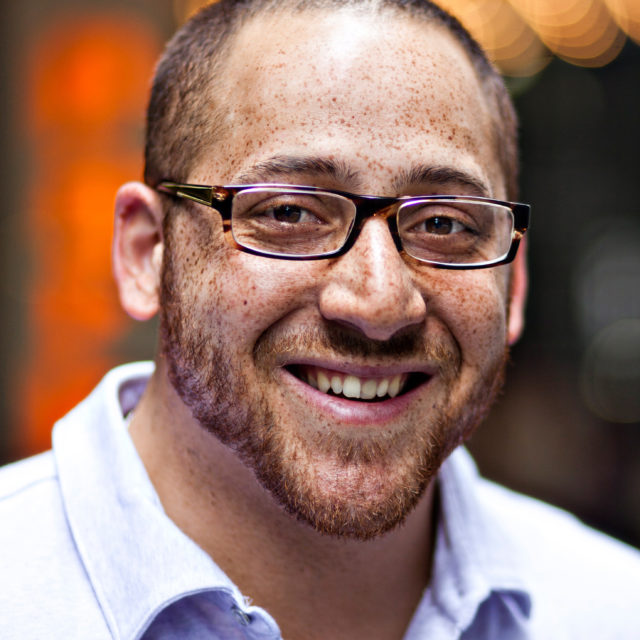
Tuesday, November 13th, 2012 @ 3:45 PM

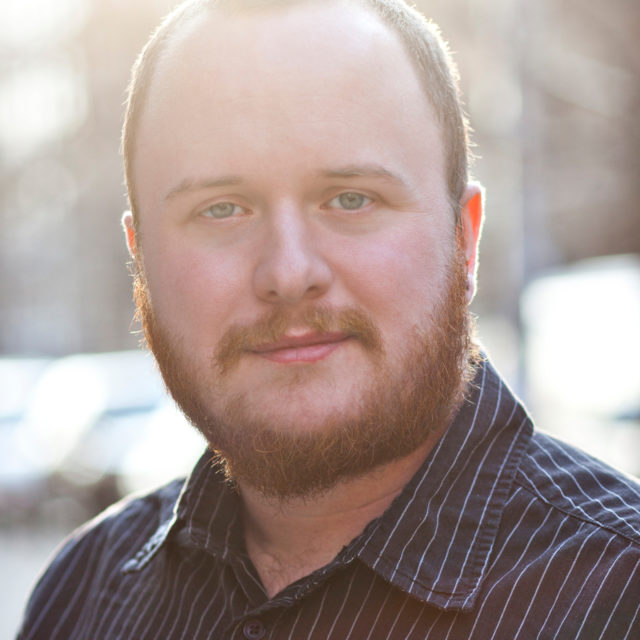
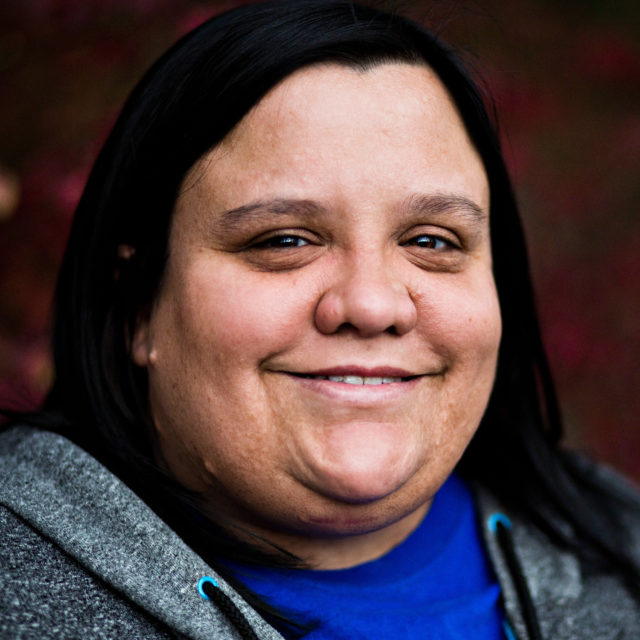
I met Chris Benedetto in a lively park on the Upper East Side of Manhattan—such an interesting juxtaposition for the story he told me that day. Here is a man who has fought addiction and homelessness, who strives every single day. Below, he talks about external validation and tests of faith. Take a look.

Chris Benedetto for Live Through This

There were times when I just felt like such a misfit. I remember—I’ve been in and out of
therapy for a few decades now—there’d be times in group therapy when people would be looking at me like I had a head sprouting out of my shoulder and I’m thinking, ‘Wow, I don’t even fit in with these people?’ You know, so there was, I guess, just this resounding kind of alienation. So, those were, I guess, triggers.

I think a lot of it too was, for years, I always sought validation outside of myself and I let
too much of my happiness be contingent on the external. And when I gradually learned
to get past that, I think that’s one of the things that messed me up, like, ‘Wow, you know, I’m not drinking, I’m not drugging, I’m not pissing my rent money away. Why is this happening? I’ve been on time every month with my rent. I’ve tried harder with this girl than I have with anyone ever in my life…’

I guess everyone kinda has to take their turn at it, and I guess it was my turn this year.
The last big pot hole I hit was probably when my brother died two years ago, so I guess
I was kinda overdue for something big. I think too, you know, we get tested on our faith, or if you’ve decided to quit drinking or drugging or gambling, you’ll get those tests. So I think this was probably a mid-term or an SAT.


Tuesday, September 11th, 2012 @ 2:47 PM

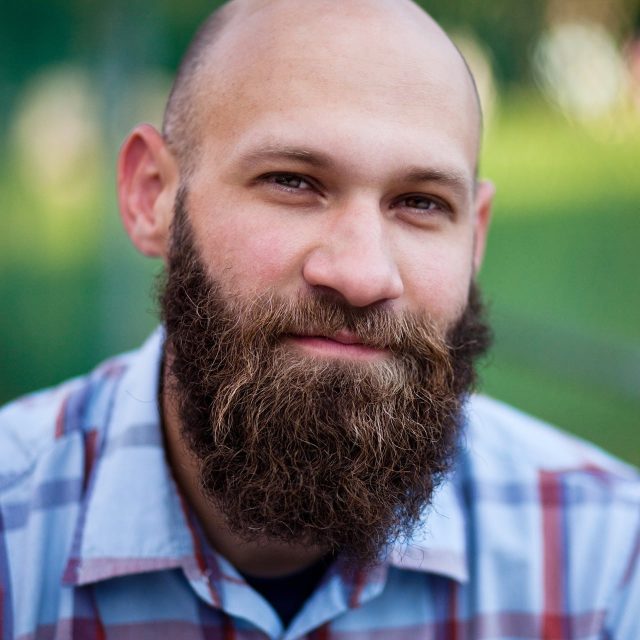
Frankie Barretto left a troubled home life to join the U.S. Army and fell into a deep depression after being discharged for a knee injury. Suicide is the second most common cause of death in the U.S. military. Below, Frankie discusses some of the issues we face with reintegrating soldiers into society.

I was in the Army with so many people and I got out right out before everything happened.

…I know people, I’ve lost friends that went over to Iraq and Afghanistan. I know people that have gone over and come back and they are not the same. The Veterans Administration, they are doing, in my opinion, they are doing a hell of a job to address these issues, and I’m seeing it firsthand just by the way that they’re treating me. They actually care. 

A lot of the soldiers that come back that I speak to, they’re involved in so many different programs to not only help them acclimate back into society, but to help them deal with these emotions and deal with the PTSD and the ticking time bomb syndrome and all of the other things, ‘cause they saw a lot of things over there that the public is not privy to at all, and that stuff will definitely scar you for life. So, being a soldier and knowing people that went through that and losing people that were really close to me because of all of that, that’s something that I’m very passionate about…

I think the biggest problem is the disconnect between society and the soldiers. Society does not understand what these soldiers go through. That’s why you have former Marines and former Army servicemen getting shot and killed by police and getting locked up, and you hear it more and more every day because they’re labeled as crazy.

They’re like, “Oh, these crazy soldiers are coming back.”

The thing is, a lot of them don’t know that there’s help available for them. They just come back and they just try to live their life and they’re dealing with so many things. So I think, like I said, there’s a huge disconnect between how society sees it and what it really is…

They see what they see on TV and they’re thankful that the soldiers go over there and give their lives for our freedom, but when the soldiers come back, they’re stigmatized and they’re labeled as crazy and it’s not fair. It’s not fair to them at all… 

A lot of them, they just internalize it. They have that soldier mentality. Like, ‘I’m a soldier, I can survive anything.’ 


Monday, September 10th, 2012 @ 5:39 PM

Today is World Suicide Prevention Day.

Six years ago, I tried to kill myself. That same year, I lost one of my best friends to suicide. In some way or another, I think we’ve all been touched by suicide: we’ve attempted, we know someone who’s attempted, we’ve lost a family member or friend, or we’ve watched someone we know go through that staggering brand of loss. The sad part is that it’s a topic we, as a society, tend to only speak about in hushed tones.

Instead of ignoring it because it’s not a thing most of us can easily wrap our heads around, what we should be doing is educating ourselves on the warning signs, on what to do when we fear someone we love is suicidal, on what our resources are. With that in mind, if there’s one thing I want you to know today, it’s that all you need to save a life is a little bit of empathy and a little bit of fearlessness. If you’re worried that someone you know is having suicidal thoughts, just ask them point-blank, “are you considering suicide?” The myth is that asking will plant the seed of an idea; the reality is that, if you’re thinking it, they already have. If the answer is yes and they’re seriously thinking suicide is an option, your directness may help them to get the load off that lets them see the light at the end of the tunnel, or it may open the door to finding them the professional help they need.

The night I attempted suicide was one of the scariest nights of my life, and it’s due to the care of a couple of fearless friends and my fearless mother that I made it through. Since suicide is likely an issue you’ll have to face at some point (if you haven’t already), why not take a few minutes to check out the National Council infographic below? It’s chock full of factoids on suicide, including demographic breakdowns, risk factors, and helpful resources. You never know, it might equip you with just the tools you need to save a life someday.

Wednesday, August 29th, 2012 @ 3:05 PM

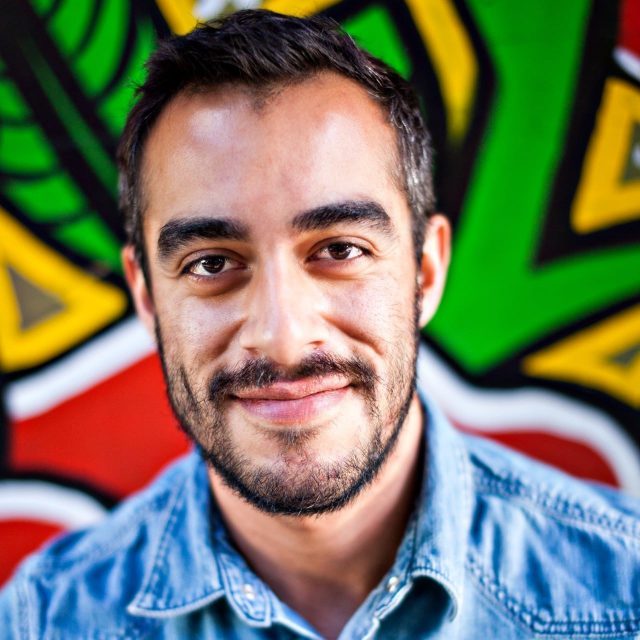
I make it a point not to divulge methods here because it can be triggering for some, but Kevin Hines has an incredible (and incredibly well-documented) story. He attempted suicide twelve years ago and has since become a nationally recognized suicide prevention advocate. Below, he discusses the phenomenon of celebrities who have attempted suicide and the power they have but, in most cases, choose not to wield in order to maintain their image for the cannibalistic Hollywood machine. I’ve had quite a bit of experience with this in the development of the project and feel as strongly about it as Kevin does.

I’m saying we, as human beings, are our brothers’ and sisters’ keepers, and if we don’t wake up and realize it’s not just us in this world—that old adage ‘we’re not alone’—we’re not alone! And no person in a fight for their life is alone. There are millions of people out there fighting just as you are. Find that network. Talk about the issues.

There was a time when I first started speaking that I would talk in a very low voice in public places, because of my paranoia but also because I didn’t want people hear me talk about my mental illness. Today I’ll probably shout it in a coffee shop, in a library… hell, because if people ask me questions and I answer them, they’re going to get the information they so desire. They’re also going to get the fact that, you know, let’s stop hiding. Let’s all come out and talk about this.

Look what happened to [NAME REDACTED]. He attempted, was on the news for half a second, his managerial team shut it down, and he never spoke about it again. [He] is in a position to save way more lives than me. I’m not saying he has to do that, I’m saying he has the opportunity—had the opportunity at that particular moment—to say, ‘Hey kids, I made a mistake. I’m so glad I’m here, you should be here too.’ He just had to do it one time and the whole world would see it. As opposed to what did happen: the managerial team said, ‘If you don’t be quiet, we’re not going to hire you. And we have to know you’re healed, and now we have to have an insurance policy on you, but we have to know you’re healed.’ Movies are more important to him than helping other people.

I’m not trying to judge [him]. There’s millions of [famous people] out there who have these issues with their mental health, don’t address them, get sick publicly, and don’t address them publicly. And I think there’s a failure in the system with that going on, because… how many lives could they save with a campaign for suicide prevention? Way more than any other people [sic] in the suicide prevention world right now. They have that power, but they are crushed by their managers and their talent agents that say, ‘No, shut up.’ It makes me sad.

Read more about Kevin at kevinhinesstory.com


Thursday, August 16th, 2012 @ 3:38 PM

Though I share a hometown with Krista Andrews, we managed to lead lives wholly ignorant of the other’s existence until we moved to New York in our mid-twenties and met through a mutual friend. Hearing her story affected me so deeply that I went home and made my own portrait for Live Through This immediately after making hers.

Below, she discusses America’s pharmaceutical culture and symptom-based treatment system and asks, again, why do we have such a hard time talking about mental illness and suicidal thoughts?

Krista Andrews for Live Through This

I think so many people will casually mention stuff like, ‘I’m on Xanax and it’s making me fat,’ or ‘I’m on Zoloft and I have no sex drive anymore,’ but people never talk about why they’re on medication. I feel like it’s such a common thing to be medicated, but no one wants to really talk about the serious stuff, like, ‘Why am I like this?’ I think that that’s something that you don’t need to tell everyone in the whole world, but it’s something that you need to talk about, because if you don’t, you can end up where I ended up, and so many other people ended up.  

Talking is so therapeutic. I think that being able to talk about it, for me, helps me. It helps people who are going through the same thing not feel by themselves. For me, the most important part of all of this and any of this isbecause my little sister is the same age now as I was when I tried to kill myselfI think that I just want her to know that, God forbid she ever feels the way I felt, that she can talk about it, she can feel okay telling me… because I didn’t have that. I didn’t feel comfortable, I didn’t want to be judged. I thought nobody understood and I think that, if she knows, she’ll never reach the point that I reached.


Archive · RSS
Theme by Novembird · Modified by Dese'Rae L. Stage
Logo art by Vinny Romanelli & Megan Gersch